FCC 360: Unlocking Reliability, Performance, and Profitability
An Intensive Technical Workshop Covering the Complete Lifecycle of FCC Unit Operations
An immersive three-day workshop in Da Nang, Vietnam built for people responsible for FCC performance.
FCC 360 is a field-driven technical workshop built for FCC engineers, operators, and decision-makers responsible for unit performance and reliability. Covering the full FCC lifecycle — from startup to steady-state optimization through turnaround execution — the course delivers practical tools, proven methods, and real-world insight grounded in refinery experience. Sessions are led by industry veterans who have optimized FCC performance at sites around the world.
Attendees will leave with proven frameworks, diagnostic tools, and practical strategies that they can immediately apply to improve margins, reduce downtime, and operate more decisively under constraint. Whether you’re in a technical, operational, or planning role, FCC 360 equips you to lead with confidence in one of the most complex and economically critical parts of the refinery.
At a Glance
FCC 360 dives into the technical challenges and operational levers that define FCC success.
- Delta coke and heat balance control
- Catalyst circulation, fluidization, and standpipe dynamics
- Cyclone design, reliability, and attrition loss management
- Catalyst selection, e-cat analysis, and activity management
- Simulation tools and optimization frameworks
- Reactor, regenerator, and recovery system reliability
- Turnaround preparation, inspection focus, and post-outage recovery
Registration Information
Free Workshop Registration for Refiners
Complimentary Registration for process engineers, FCC specialists, reliability and turnaround leads, operations managers, and anyone involved in FCC unit performance or strategy.
Due to the technical and industry-specific nature of this workshop, we may not be able to accommodate all registrants.
Dates
Course Dates: April 21 - April 23, 2026
Welcome Reception: April 20 from 5-7p at Furama Resort.
Registration Closes April 7, 2026
Location
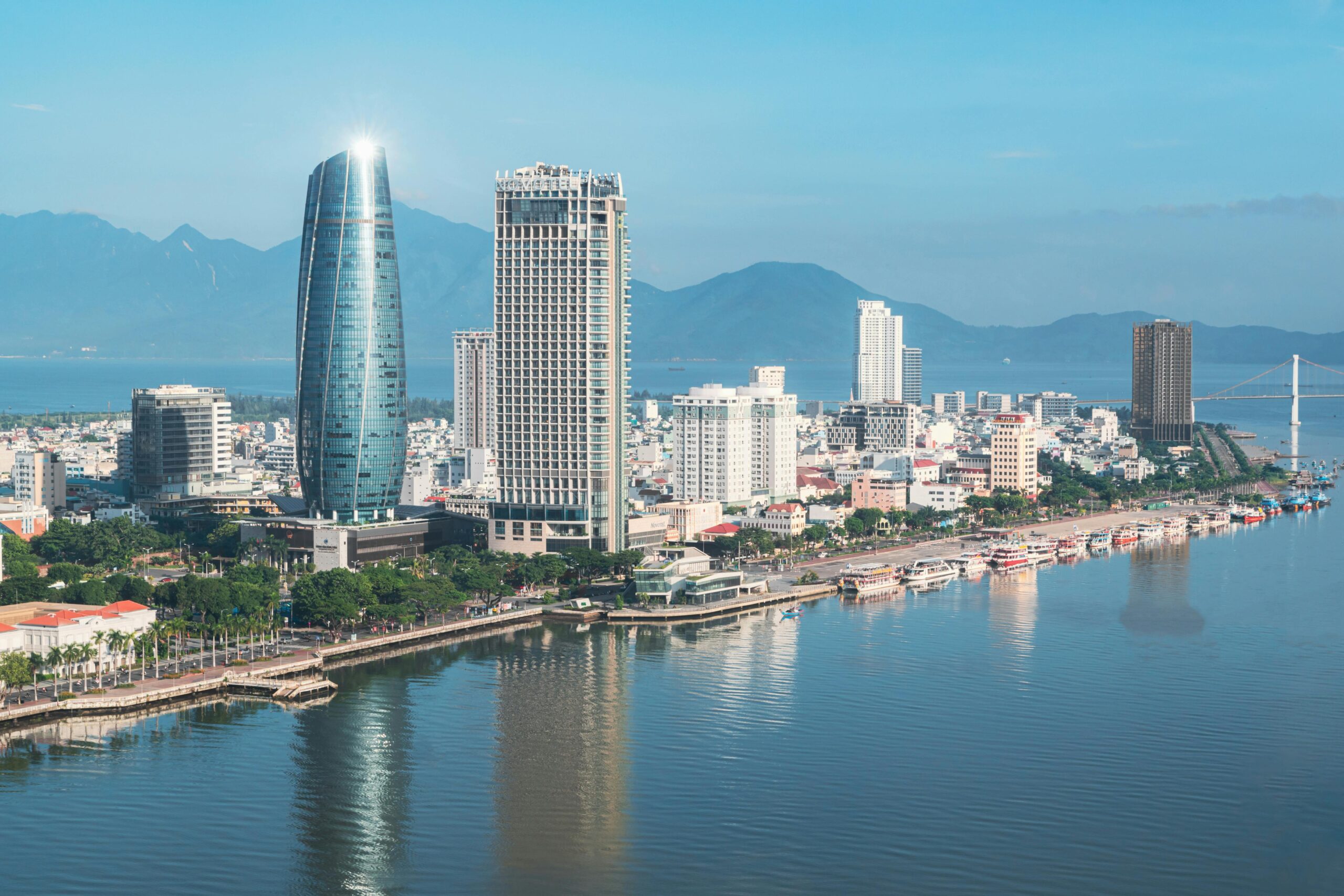
Furama Resort Danang
Son Ward, Da Nang, Vietnam
Event Details
Join us April 21 – April 23, 2026 at the beautiful Furama Resort in Da Nang City, Vietnam.
Spaces are limited and reserved for refiners.


Who Should Attend
This course is designed for FCC engineers, operators, and decision-makers responsible for unit performance and reliability.
- FCC Process and Reliability Engineers
- Operations Supervisors and Unit Leads
- Turnaround and Inspection Coordinators
- Plant Managers and Strategy Leads
What's Included
Free registration for refiners includes access to discounted loding rates plus everything you will need once at the resort:
- Access to Three-Day Workshop
- Course Materials
- Discounted Lodging Rates
- Breakfast and Lunch
- Coffee and Refreshments
- Culinary Dinners
Lodging Information
Furama Resort Da Nang
103 – 105 Vo Nguyen Giap Street
Ngu Hanh Son Ward Da Nang City, Vietnam
Room Rates per Night:
- Garden Superior: VND 4,921,466 (USD 187)
- Lagoon Superior: VND 5,579,416 (USD 212)
- Ocean Suite: VND 6,237,366 (USD 237)
Room registration must be made before March 27, 2026 to have access to discounted lodging rates. Room reservations will be made available to attendees after their event registration is confirmed.
Attendees are fully responsible for their lodging and transportation costs.
What You'll Learn
Course Details
Over the course of three days, participants will work through the core technical challenges and performance levers that define FCC unit success. The training covers critical areas such as delta coke control and heat balance, catalyst circulation and fluidization, cyclone reliability, catalyst selection and evaluation, simulation modeling, and turnaround planning. Each topic is approached with a focus on real-world application — from diagnosing losses and troubleshooting standpipe instability to planning test runs, interpreting e-cat data, and managing process equipment reliability.
The course is designed to help teams move faster, operate more confidently, and make technically sound decisions that drive measurable improvements in reliability, performance, and profitability.
Overview
What You’ll Learn:
-
Pre-startup planning and execution strategies
-
Troubleshooting startup problems in real time
-
Safety protocols and risk mitigation during light-off
-
Lessons learned from previous startups and common pitfalls
What You’ll Learn:
-
Understanding heat balance and its impact on unit control
-
Delta coke control strategies to improve conversion and coke yield
-
Interpreting performance under constrained operations
-
How feed quality and contaminants affect unit behavior
-
Using simulation models for test run planning and constraint mapping
What You’ll Learn:
-
Fundamentals of fluidized flow and pressure balance
-
Diagnosing circulation issues tied to standpipe instability
-
Troubleshooting catalyst movement, slugging, and flow loss
-
Cyclone design, failure modes, and loss control strategies
-
Catalyst attrition mechanisms and mitigation practices
What You’ll Learn:
-
FCC catalyst composition, formulation strategies, and additive roles
-
Catalyst evaluation methods and pilot plant testing best practices
-
E-cat testing and interpretation of routine vs. non-routine results
-
Managing catalyst deactivation, activity trends, and rare earth metals
-
Case studies in contaminant control and metals mitigation
What You’ll Learn:
-
How to use simulation tools to model real constraints and trade-offs
-
Field-tested troubleshooting templates for yield shifts and flow disruptions
-
Optimization strategies that work within budget, feed, or equipment limits
-
Applying statistical methods to unit performance improvement
What You’ll Learn:
-
Design and operation of key equipment across:
-
Reactor
-
Regenerator
-
Product Recovery Systems
-
-
Operational best practices tied to mechanical reliability
-
Recognizing and addressing erosion patterns and wear points
-
Root cause identification using field data and inspection findings
-
Structuring a successful FCC turnaround from pre-shutdown to restart
-
High-value inspection activities and failure discovery methods
-
Monitoring erosion, hotspots, and equipment readiness
-
Post-turnaround performance evaluation and ramp-up strategies
Experience That Speaks Volumes
Meet the Panel
FCC 360 is led by a panel of seasoned engineers, refinery consultants, and former catalyst technologists who have spent decades in the field. Together, they bring experience from major refiners, global catalyst manufacturers, unit design firms, and technical service organizations. Every session is grounded in real-world operating challenges and filled with insights pulled directly from startups, revamps, test runs, and turnarounds across the globe.
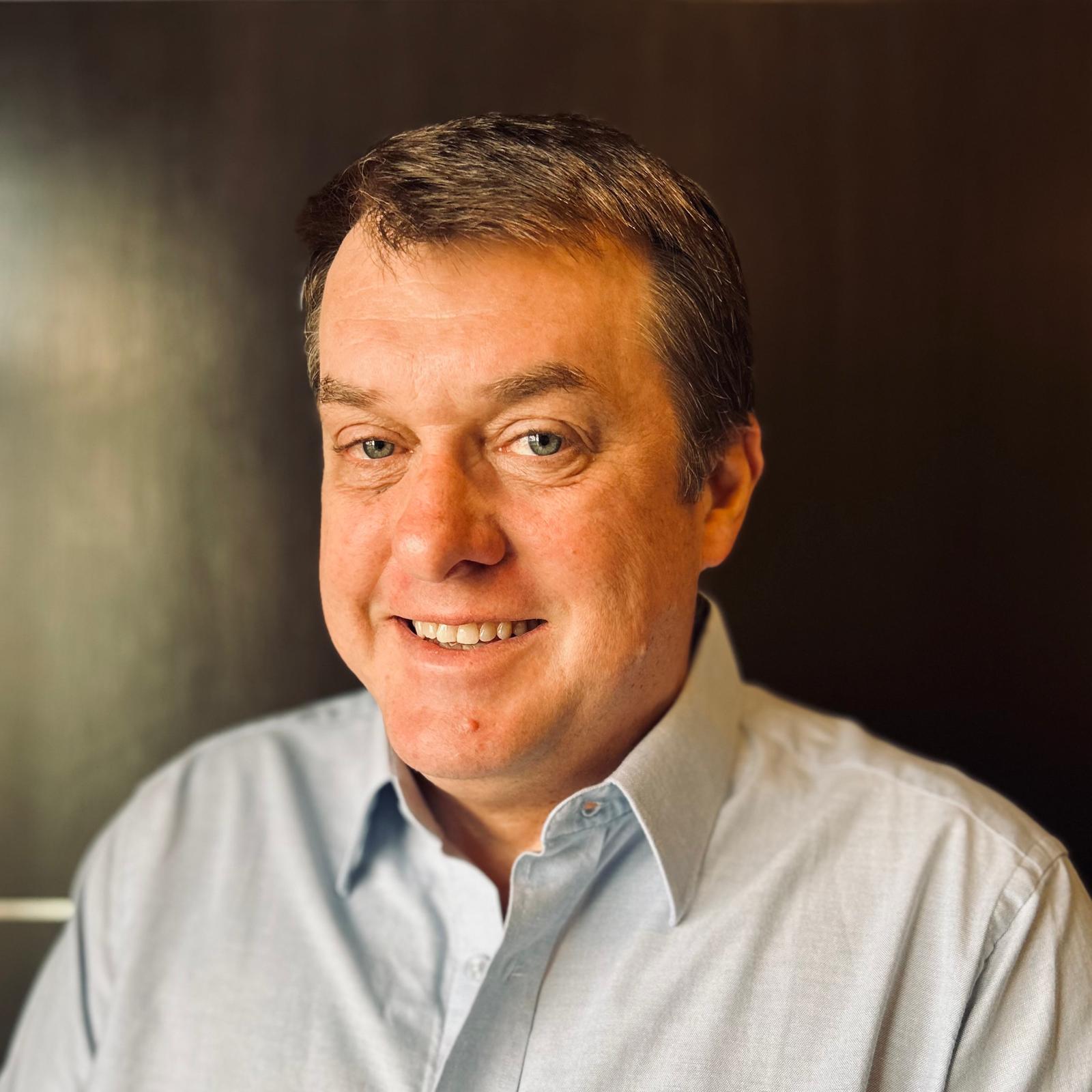
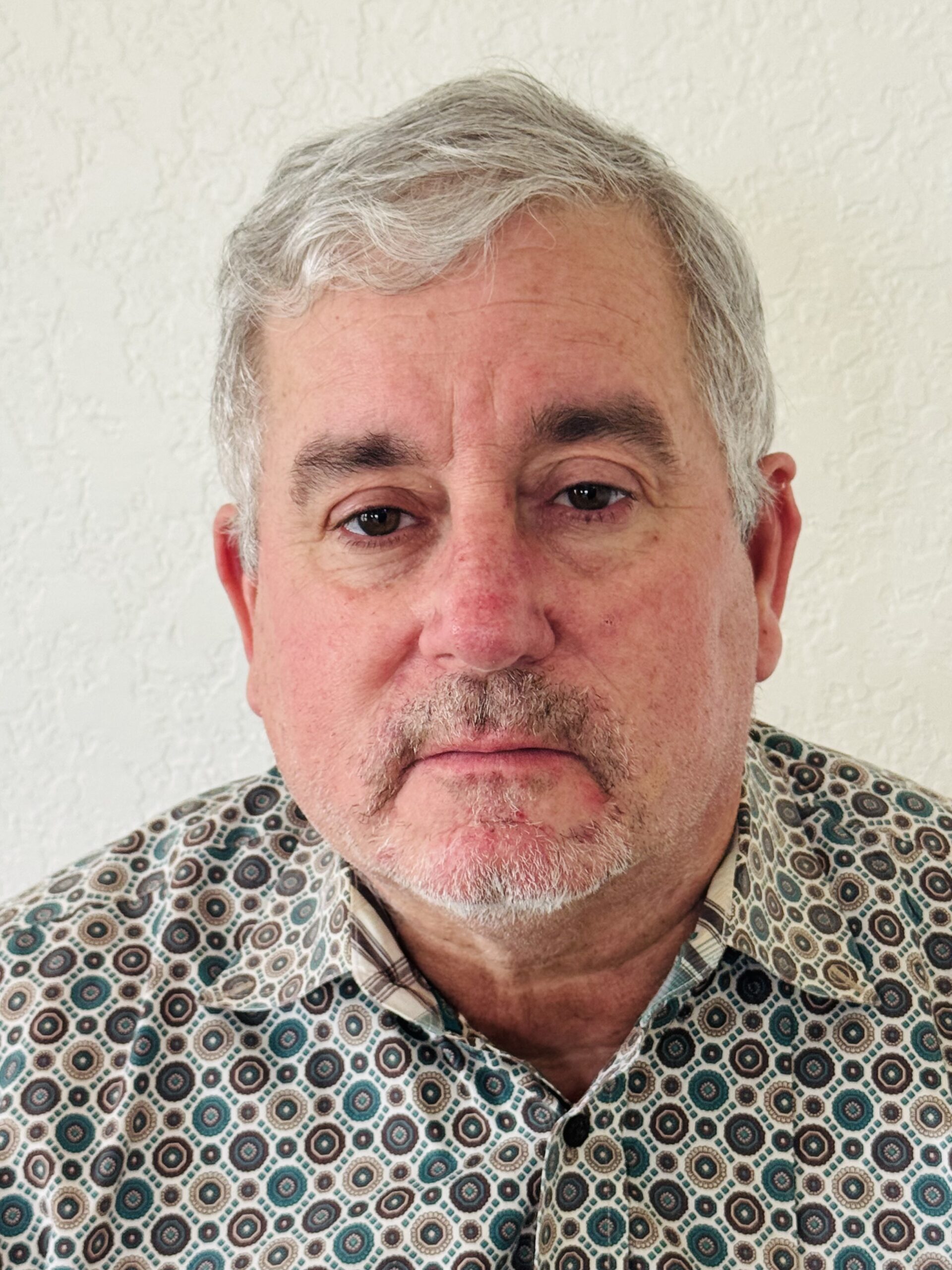
Stuart Foskett
Asia Representative
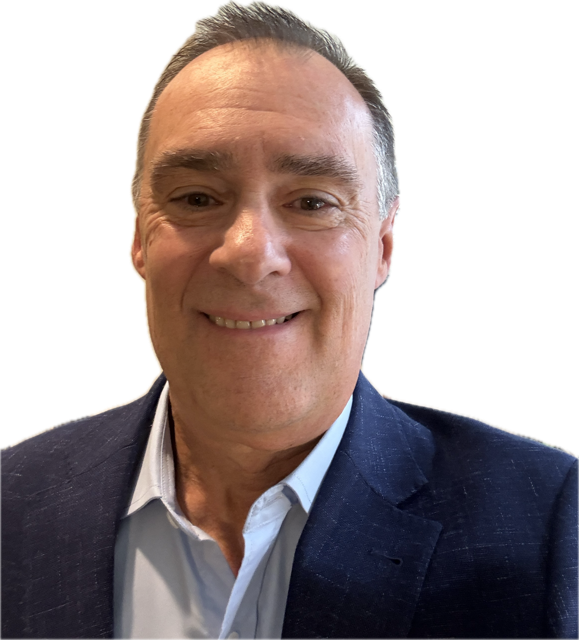
Michael Hurley
Executive Vice President, Technical Sales
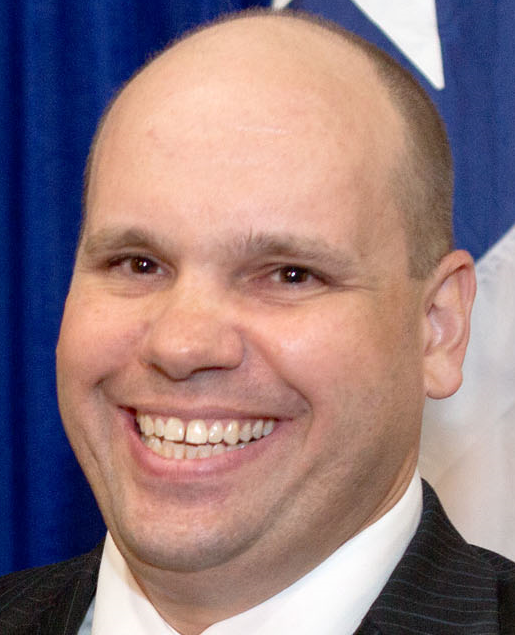
Ken Bruno
Senior Director, Special Projects
CJ Farley
FCC Consultant & Fluidized Systems Specialist
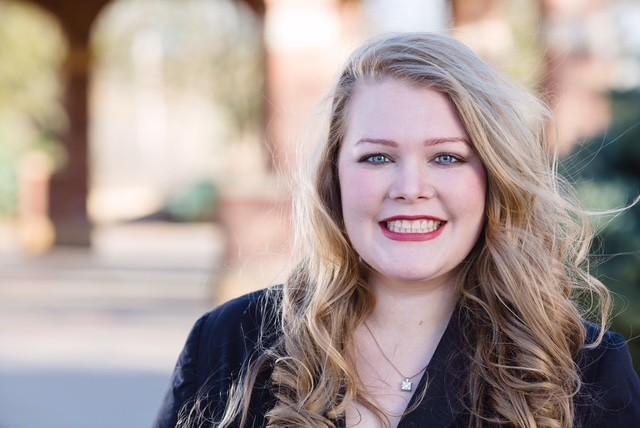
Constance Dodds
Director, Supply Chain Operations
Asia Representative
Equilibrium Catalyst, Inc
Stuart Foskett brings over three decades of experience in refining and catalyst technologies — including 28 years focused specifically on fluid catalytic cracking — bringing a global, technical, and data-driven perspective to the FCC 360 workshop.
Based in Singapore, Stuart supports refiners throughout Asia as the regional representative for Equilibrium Catalyst Inc., delivering customized equilibrium catalyst solutions to improve FCC unit performance under a wide range of operating conditions.
Prior to joining ECI, Stuart held both technical and leadership roles at two global FCC catalyst manufacturers. In these roles, he worked with refineries across Asia, Europe, and the Americas on a broad spectrum of FCC challenges, including unit troubleshooting, catalyst selection, performance modeling, and optimization.
He began his career as a process engineer at Ampol’s Lytton and Kurnell refineries in Australia, gaining hands-on operational experience that continues to shape his practical approach to problem solving. Stuart’s areas of expertise include catalyst performance management, FCC unit monitoring, simulation-based optimization, and the application of statistical methods to drive measurable yield and reliability improvements.
At FCC 360, Stuart will share a global perspective on FCC catalyst optimization and performance monitoring, with a focus on using simulation tools and data-driven methods to identify constraints, improve decision-making, and extract more value from existing operations. His sessions will be especially valuable for teams looking to modernize performance benchmarking and move from reactive troubleshooting to proactive optimization.
Stuart holds an Honours degree in Chemical Engineering from the University of Sydney and resides in Singapore.
Executive Vice President, Technical Sales
Equilibrium Catalyst, Inc
Michael Hurley brings more than 30 years of FCC-focused experience to the FCC 360 workshop, blending deep technical knowledge with commercial insight across every stage of the refining catalyst lifecycle.
He began his career in the FCC Technology Group at Stone & Webster, where he spent three years supporting unit design and revamp projects. He then transitioned into catalyst manufacturing, spending 12 years in technical and commercial roles with Engelhard Corporation. Following the BASF acquisition, Michael served as Director of Sales for the Americas, overseeing technical sales strategy and refiner engagement across the region.
Since 2008, Michael has been a driving force at Equilibrium Catalyst Inc., where he currently serves as Executive Vice President of Technical Sales. His role focuses on aligning ECI’s catalyst technologies and services with the operational and economic goals of refiners across North America and beyond.
At FCC 360, Michael will share insights on startup planning, economic levers for catalyst performance, and how to translate field challenges into commercially viable technical solutions. His sessions will connect hands-on engineering with the business realities of modern FCC operations.
Michael holds a Bachelor of Science in Chemical Engineering from the University of Massachusetts and a Master of Business Administration from the University of Texas.
Senior Director, Special Projects
Equilibrium Catalyst, Inc
Ken Bruno brings over three decades of FCC expertise to the FCC 360 workshop, with a rare combination of deep technical knowledge, frontline operating experience, and global catalyst strategy leadership.
Ken began his career at Amoco Oil Company (later bp), where he spent eight years in FCC R&D followed by three years as the FCC/Alky Operations Consultant at the Whiting Refinery. He then transitioned into the catalyst industry, spending 26 years with Akzo Nobel/Albemarle/Ketjen in a range of senior roles across Technical Service, Marketing, Product Development, and ultimately as Senior Director of Global Catalyst Technology and Technical Service.
Now serving as Senior Director of Special Projects at Equilibrium Catalyst Inc., Ken’s focus is on bridging technology, product innovation, and field application to support refiners navigating complex operational and economic constraints.
At FCC 360, Ken will draw from his extensive background in both refining and catalyst formulation to deliver high-impact sessions on unit optimization, catalyst technology and management, activity control, and complex modelling — sharing hard-won lessons and practical strategies that go far beyond the textbook.
Ken holds a B.S. in Chemical Engineering from the University of Akron, and both an M.S. and Ph.D. in Chemical Engineering from the University of Notre Dame.
Fluidized Systems Specialist
FCC Consultant
CJ Farley brings over three decades of FCC experience to the FCC 360 training workshop, offering an exceptional depth of knowledge across unit operation, grassroots design, catalyst application, and revamp execution.
He began his refining career in 1990 with Marathon Oil, where he specialized in FCC Technical Services. After transferring to Texas in 1993, CJ expanded his experience across operations before joining MW Kellogg (now KBR) in 1997. There, he provided technical support to FCC units worldwide, working on everything from performance troubleshooting to large-scale revamps and grassroots design efforts.
In 2001, CJ joined Engelhard (now BASF) where he served first as Executive Account Manager and later as Global Marketing & Technical Services Manager, supporting refineries across the Americas, Europe, and Asia.
Since 2008, CJ has operated as an independent consultant, working with refiners and engineering firms on FCC operations, catalyst strategy, and fluidized system performance across a range of industrial applications.
At FCC 360, CJ will bring global field perspective, design insight, and firsthand troubleshooting experience to workshop discussions around cyclone reliability, unit optimization, and fluidized catalyst system behavior.
Director, Supply Chain Operations
Equilibrium Catalyst, Inc
Constance Dodds brings over nine years of front-line experience in FCC operations and logistics to the FCC 360 workshop. As Director of Supply Chain Operations at Equilibrium Catalyst Inc., she plays a critical role in ensuring the reliable movement of catalyst and related materials across global refining networks.
Her background includes leading complex import and export execution, coordinating catalyst packaging and transloading operations, and supporting new facility startups — all within the highly specialized requirements of FCC catalyst supply. Constance’s expertise in material handling systems, vessel scheduling, and inventory controls has given her a systems-level understanding of how logistics decisions directly impact unit reliability, startup success, and ongoing operations.
At FCC 360, Constance will provide practical insight into how supply chain execution influences startup readiness, turnaround preparedness, and continuous FCC performance. Her perspective is especially valuable for engineers and planners looking to better align technical plans with real-world material movement, handling constraints, and vendor coordination.